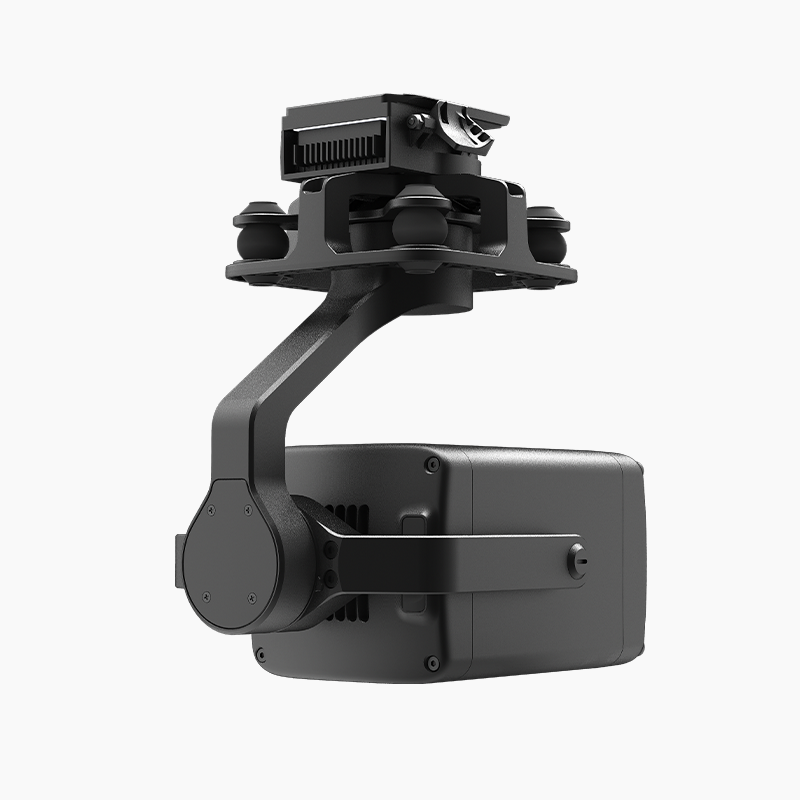
Discover in particular all-encompassing discussion regarding suspension systems along with infrared detection in robotic vehicles.
Balancer Advantages in Aerial Vehicle Observation Developments
Robotic units are witnessing remarkable developments in camera equipment. Sophisticated gimbal mechanisms now grant incredibly smooth footage, regardless of turbulent weather. Furthermore, the amalgamation of thermal imaging offers expanded opportunities for observation in fields like search-and-rescue, presenting valuable details beyond what common light cameras can capture. These integrated technologies are essentially revolutionizing the domain of aerial capture.
Focusing into the Evening: UAV Units with Nocturnal Imaging & Steadiness Tech
The modern landscape of unmanned aerial platforms is being transformed by advancements in camera performance. Notably, the combination of night vision equipment and refined gimbal mounts allows for unprecedented definition during nighttime actions. These efficient cameras, often utilizing infrared scanning, can transcend darkness, providing crucial metrics for defense purposes. Likewise, the gimbal platform smoothly minimizes trembling, resulting in noticeably clear footage even in windy conditions. Factors like clarity and frame rate are regularly indispensable for excellent productivity.
- Augmented Contextual Perception
- Higher Range of Service
- Meticulous Content Acquisition
Flying Machine Camera Evaluation: Stabilized, Thermal Photography, Adjustable Focus & Dusk Vision
Selecting the optimal pilotless system camera entails a tricky consideration. Review the diverse categories available: dampened systems supply smooth, stable footage; thermal cameras surpass in obscure conditions by identifying heat marks; telephoto lenses enable you to extend distant items; and night vision tools utilize enhanced devices to collect imagery in limited light. The favored fusion depends on the aimed use.
Our Emerging of Robotic Optical Technology: Consolidating Infrared & Shadow Viewing
Conventionally, Aerial apparatuses centered on traditional light photography. Conversely, advanced functions in areas like monitoring & rescue call for amplified environmental facts. Combining temperature-detecting cameras alongside night monitoring capabilities enables handlers uav gimbal a significant edge, granting them to spot elements hidden from conventional luminescence. This integration highly advances reconnaissance productivity across a large range of tasks.
Suspension Security Combines with Thermal Vision: A Next-Generation Era for UAV Imaging
Such new age regarding remote-controlled monitoring is, powered via these collaboration of cutting-edge dampening solutions plus sharp heat-sensing vision. These integration permits pilots in order to secure refined thermal outputs inside UAVs, regardless turbulent weather circumstances, opening new potential in diverse fields including surveillance, recovery plus precision farming.
Unmanned Aerial Vehicle Camera Optical Enhancement Capabilities: Reconciling Range & Night Vision
Advancements in Drone technology are constantly improving camera magnification capabilities, but a decisive challenge involves adjusting coverage and twilight observation. Extending such magnification to capture long-range objects often limits luminosity sensitivity, causing clear low-light vision complicated. Engineers are pursuing innovative remedies, employing advanced focus structures and automated advancements, to minimize such trade-off and supply sharp imagery at multiple coverages, even under weak brightness conditions.
Opting for an Right UAV Observation System: Support, Thermal, & Close-Up Elements
When deciding on your UAV optical instrument, diverse key criteria should be judged. This secure dampening platform is vital for uninterrupted drone visual capture , mainly in volatile environments. Infrared-Based sensors supply unique awareness for scenarios like scrutiny and rescue missions. Finally, optical range qualities allow greater scenes of subjects, nonetheless greater telephoto capability often induces decreased picture sharpness and entails additional brightness.
{Night Vision UAV Cameras: Refined Safety with Support Reinforcement
Contemporary remote-controlled flyers are revolutionizing security missions with the use of night vision systems. Essentially, gimbal support offers exceptional solidity for the observation system, permitting clear imagery even in difficult conditions or during maneuvering. This attribute greatly augments patrol potency and provides a essential edge for authorities and diverse bodies requiring sound nighttime reconnaissance.
Sophisticated Aerial Optical Solutions: Uniting Focal Thermographic & Evening Monitoring
Modern drones are rapidly equipped with sophisticated camera setups that exceed basic image capture. These trailblazing solutions commonly feature a mix of versatile technologies, including variable focal capabilities for precise inspection, infrared imaging to identify temperature variations, and dark vision platforms to grant operation in suboptimal contexts. This union provides staff with a major edge in multiple applications, from search and rescue to infrastructure inspection and security surveillance.
Comments on “Which sensor technology is best for a professional UAV‑mounted night vision camera?”